- TOP
- Gallery
-
Hot Spring
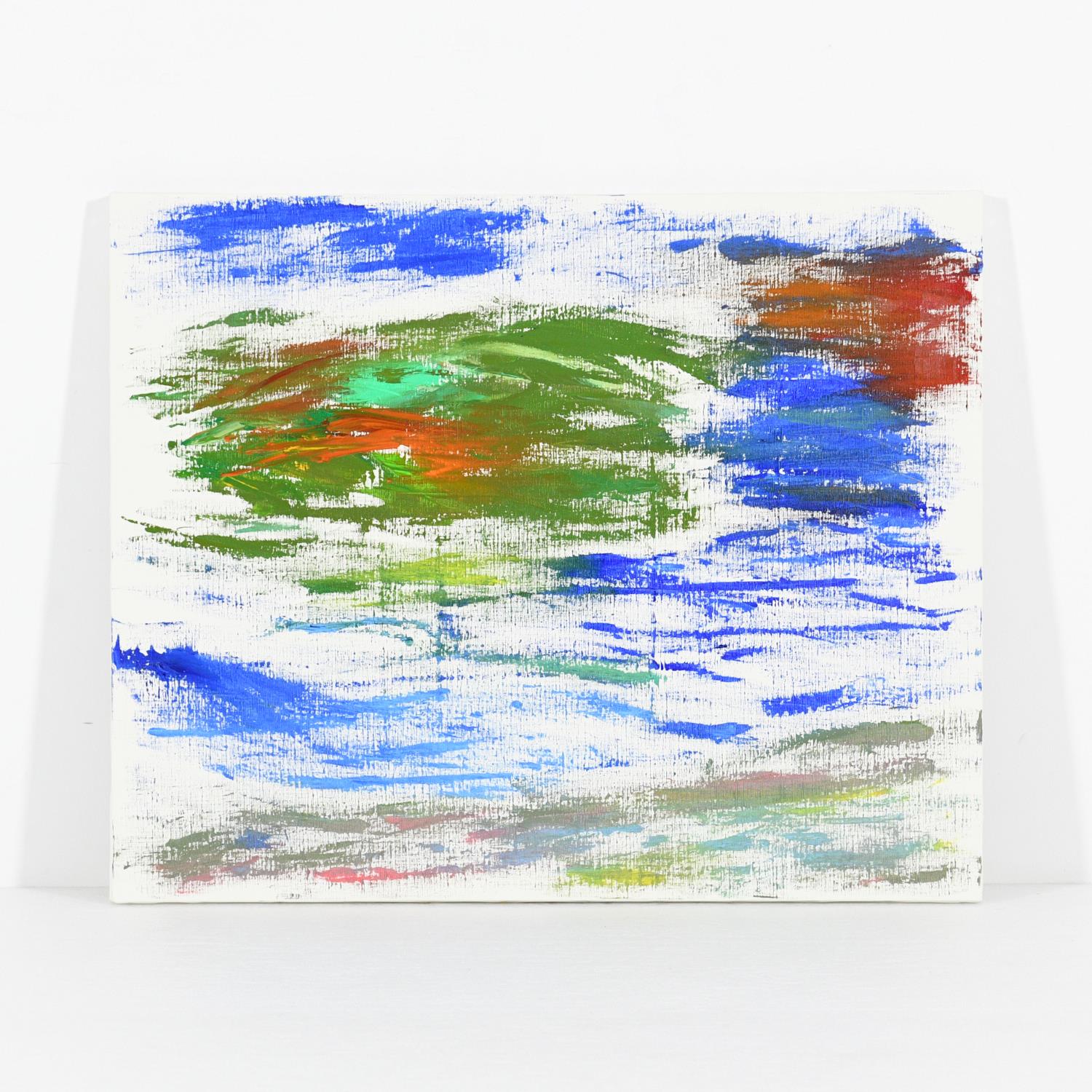
- Year: 2025
- Title: Hot Spring
- Artist: Kurimoto
- Price: ¥120,000 SOLD
- Size: H:65cm W:80cm D:1.7cm
-
Tower of Babel

- Year: 2025
- Title: Tower of Babel
- Artist: Kurimoto
- Price: ¥150,000
- Size: H:80cm W:65cm D:1.7cm
-
Old Woman
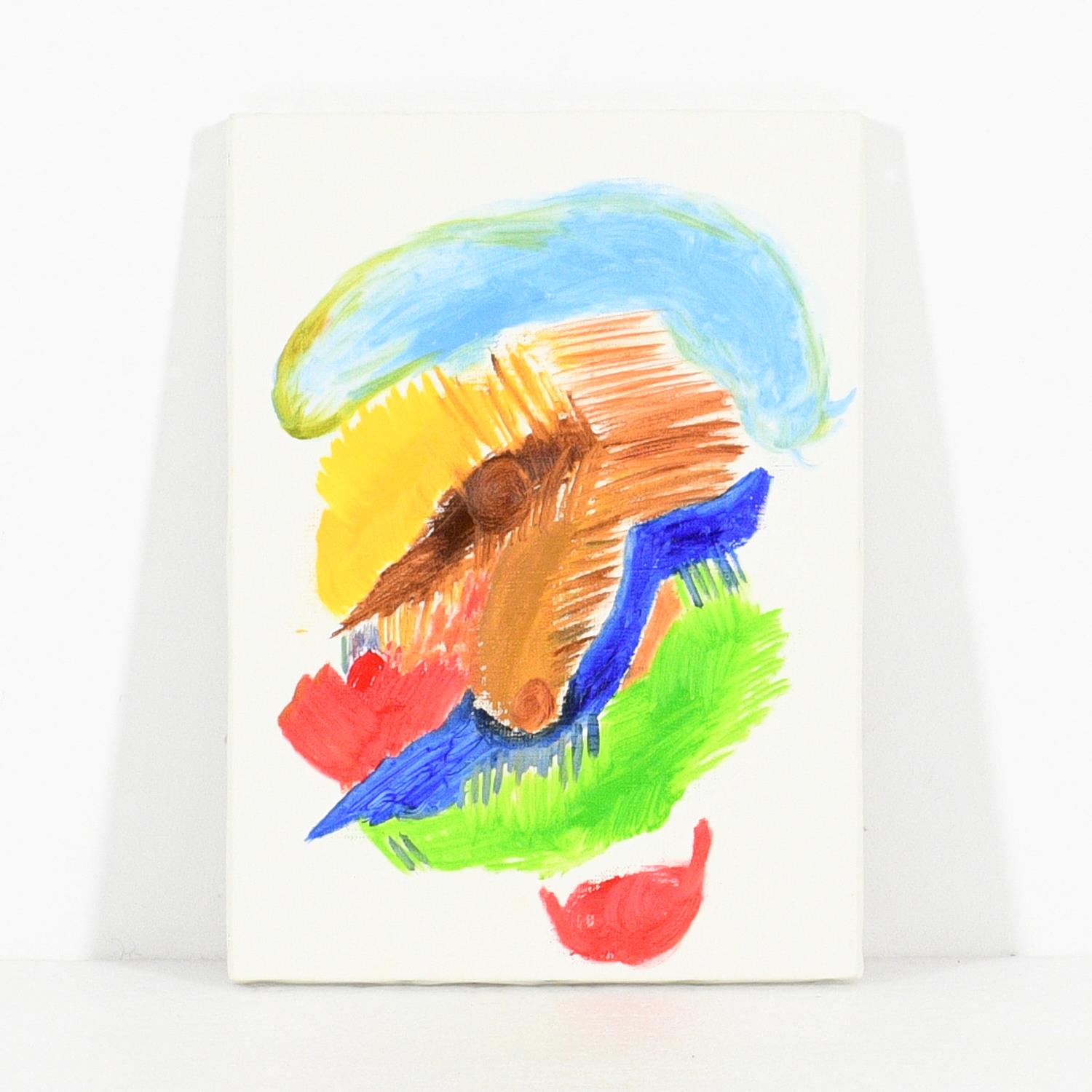
- Year: 2025
- Title: Old Woman
- Artist: Kurimoto
- Price: ¥20,000
- Size: H:33cm W:24cm D:1.7cm
-
Otake-kun's Tragedy
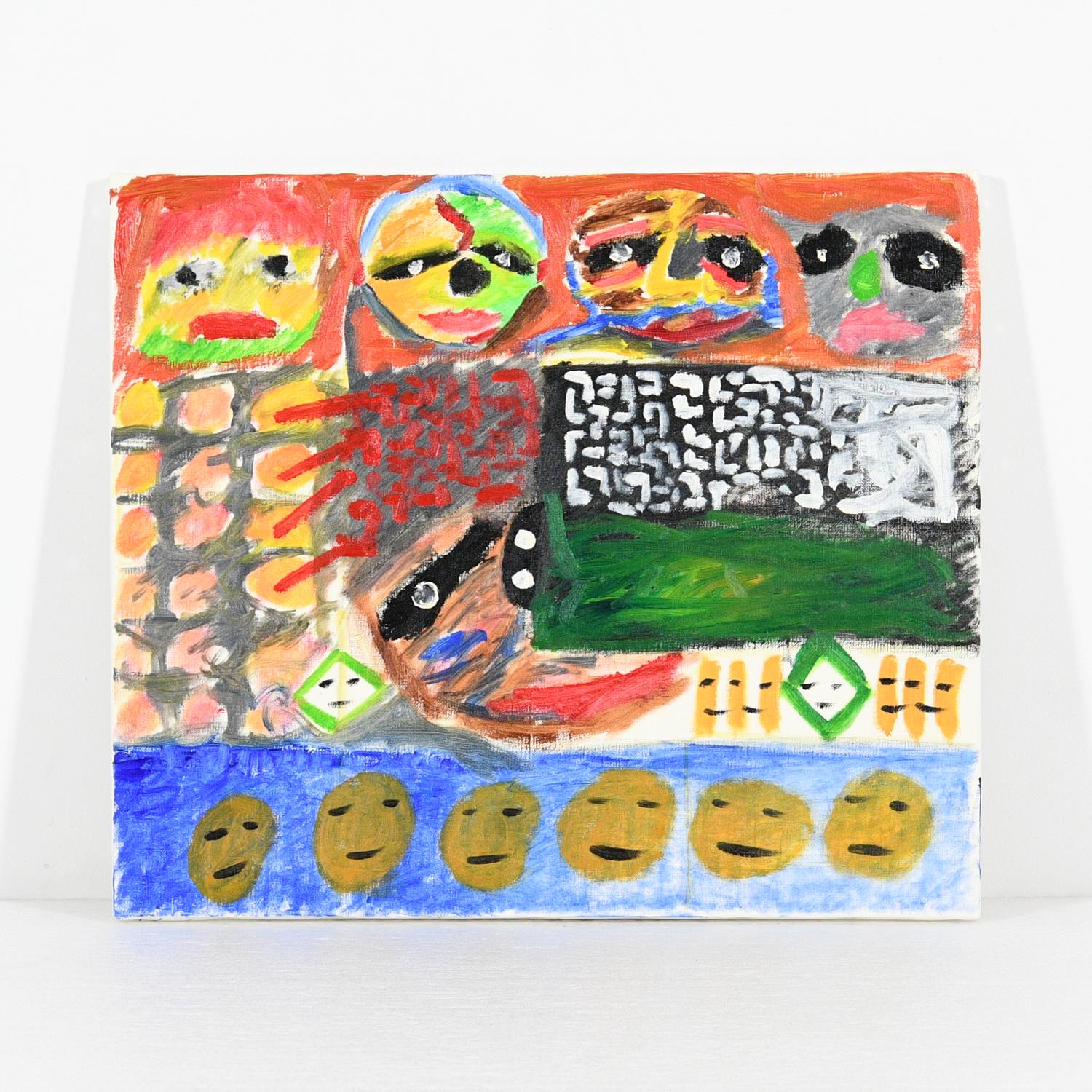
- Year: 2025
- Title: Otake-kun's Tragedy
- Artist: Kurimoto
- Price: ¥800,000 SOLD
- Size: H:46cm W:54cm D:1.7cm
-
Present
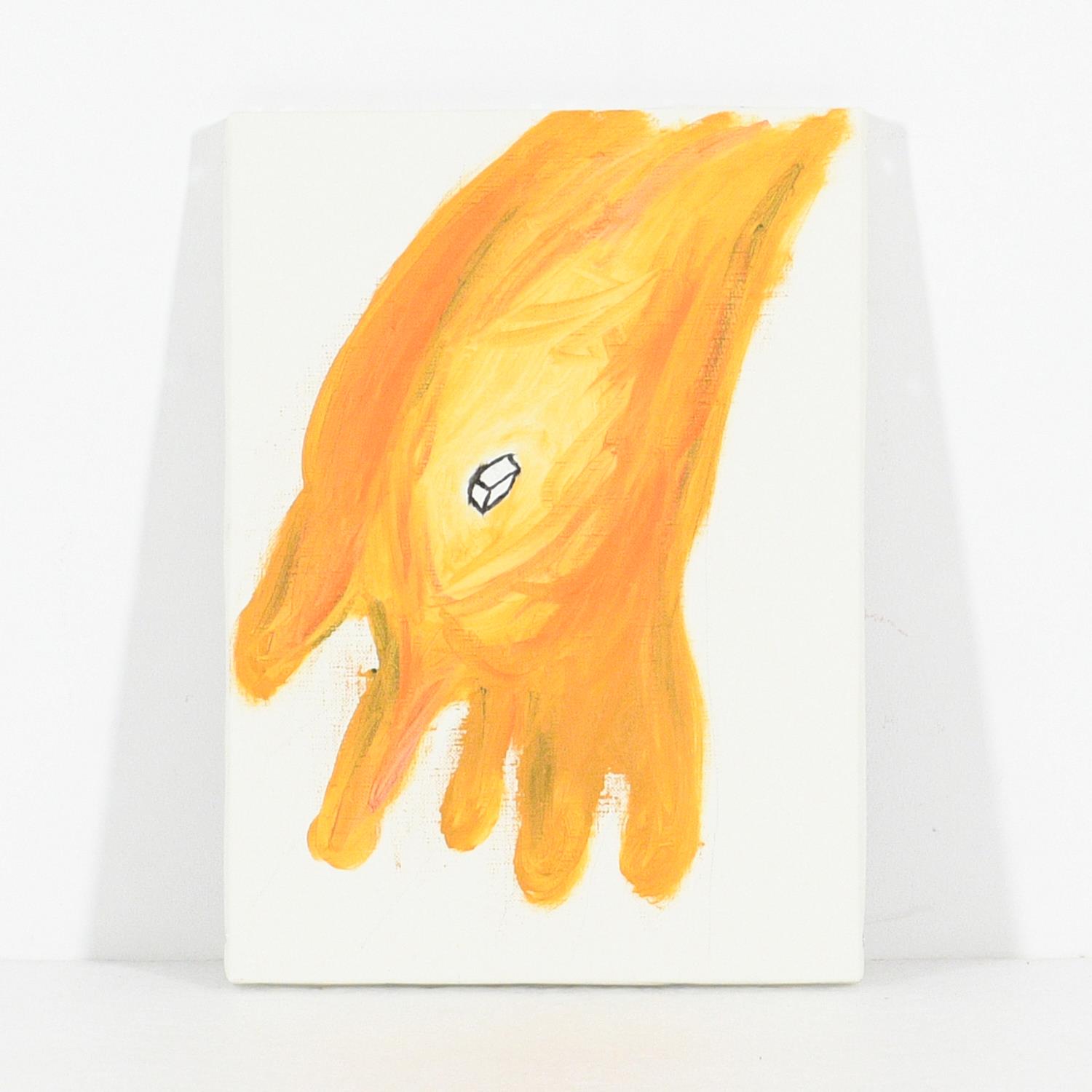
- Year: 2025
- Title: Present
- Artist: Kurimoto
- Price: ¥20,000
- Size: H:33cm W:24cm D:1.7cm
-
Nap
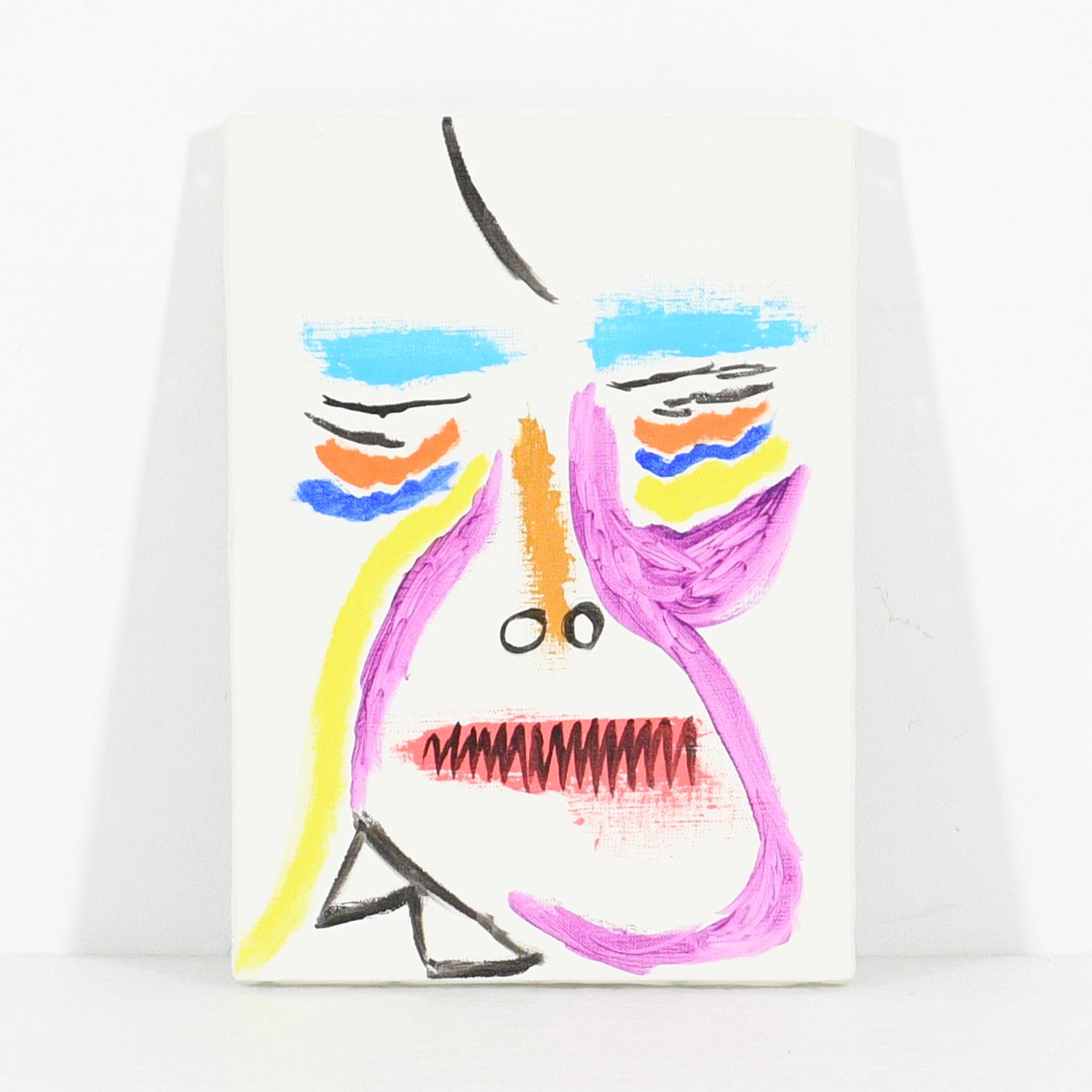
- Year: 2025
- Title: Nap
- Artist: Kurimoto
- Price: ¥30,000
- Size: H:33cm W:24cm D:1.7cm
-
Afterglow
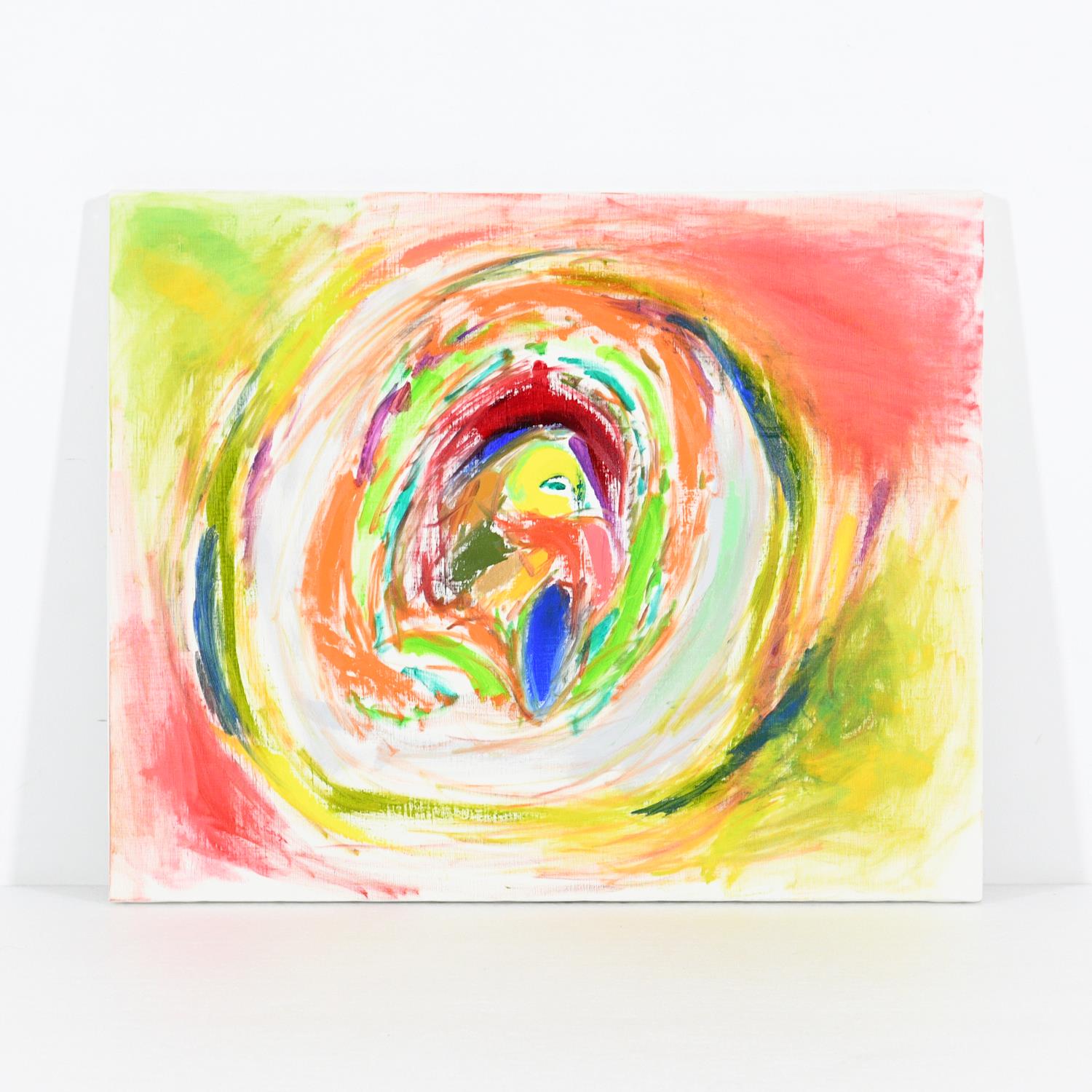
- Year: 2025
- Title: Afterglow
- Artist: Kurimoto
- Price: ¥1,000,000
- Size: H:65cm W:80cm D:1.7cm
-
Contradiction
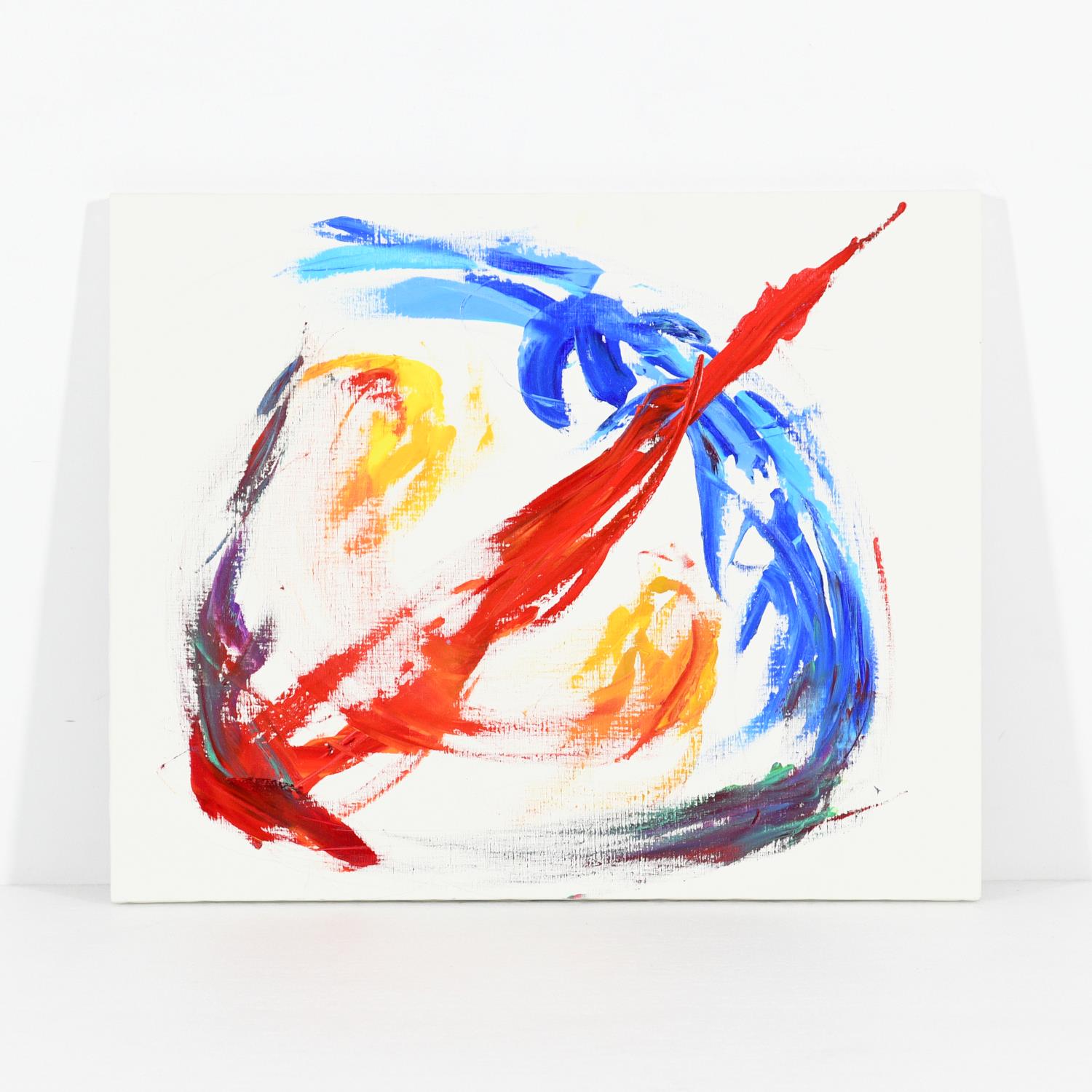
- Year: 2025
- Title: Contradiction
- Artist: Kurimoto
- Price: ¥850,000
- Size: H:65cm W:80cm D:1.7cm
-
Anxiety
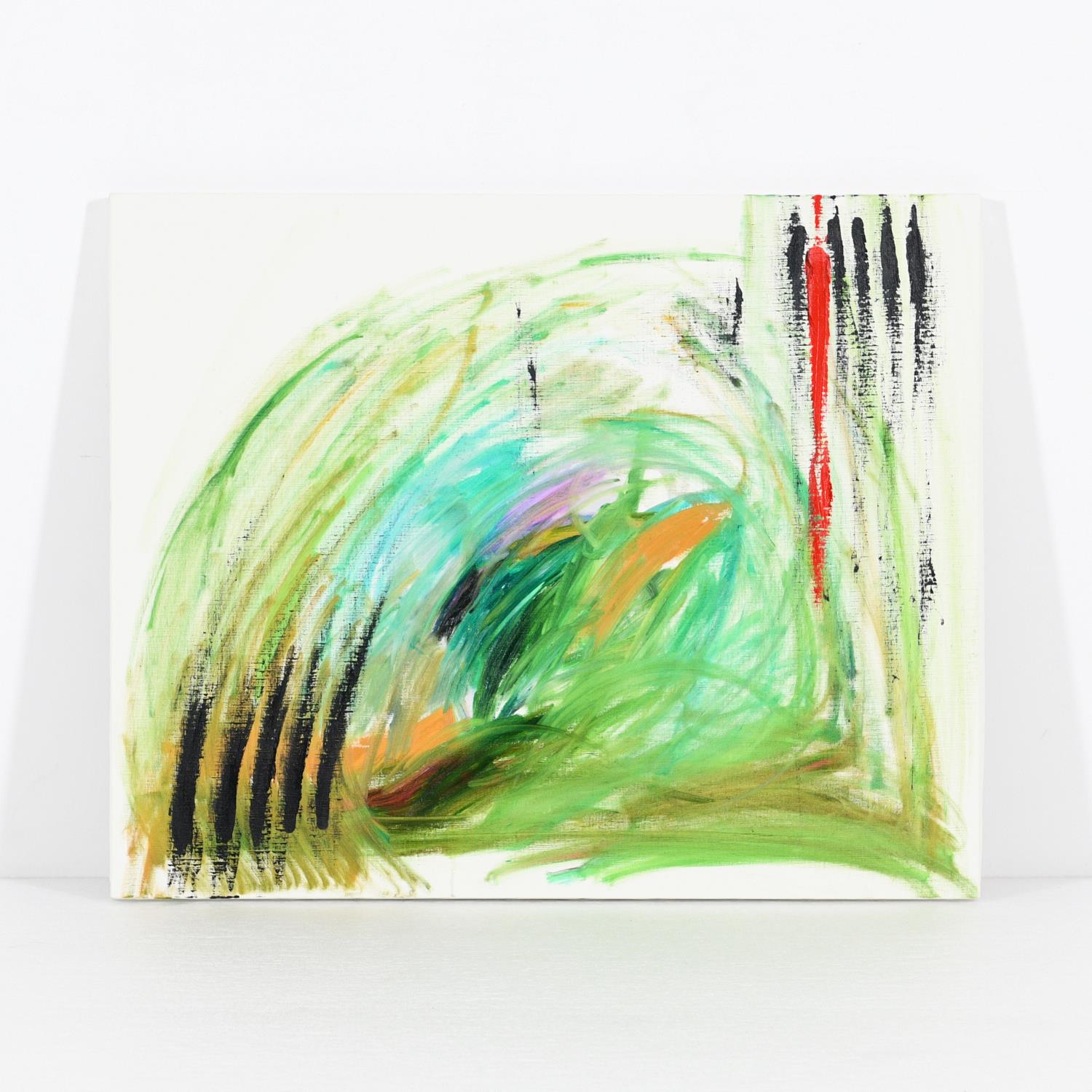
- Year: 2025
- Title: Anxiety
- Artist: Kurimoto
- Price: ¥300,000
- Size: H:65cm W:80cm D:1.7cm
-
A Woman

- Year: 2025
- Title: A Woman
- Artist: Kurimoto
- Price: ¥2,200,000
- Size: H:80cm W:65cm D:1.7cm
-
Friendship
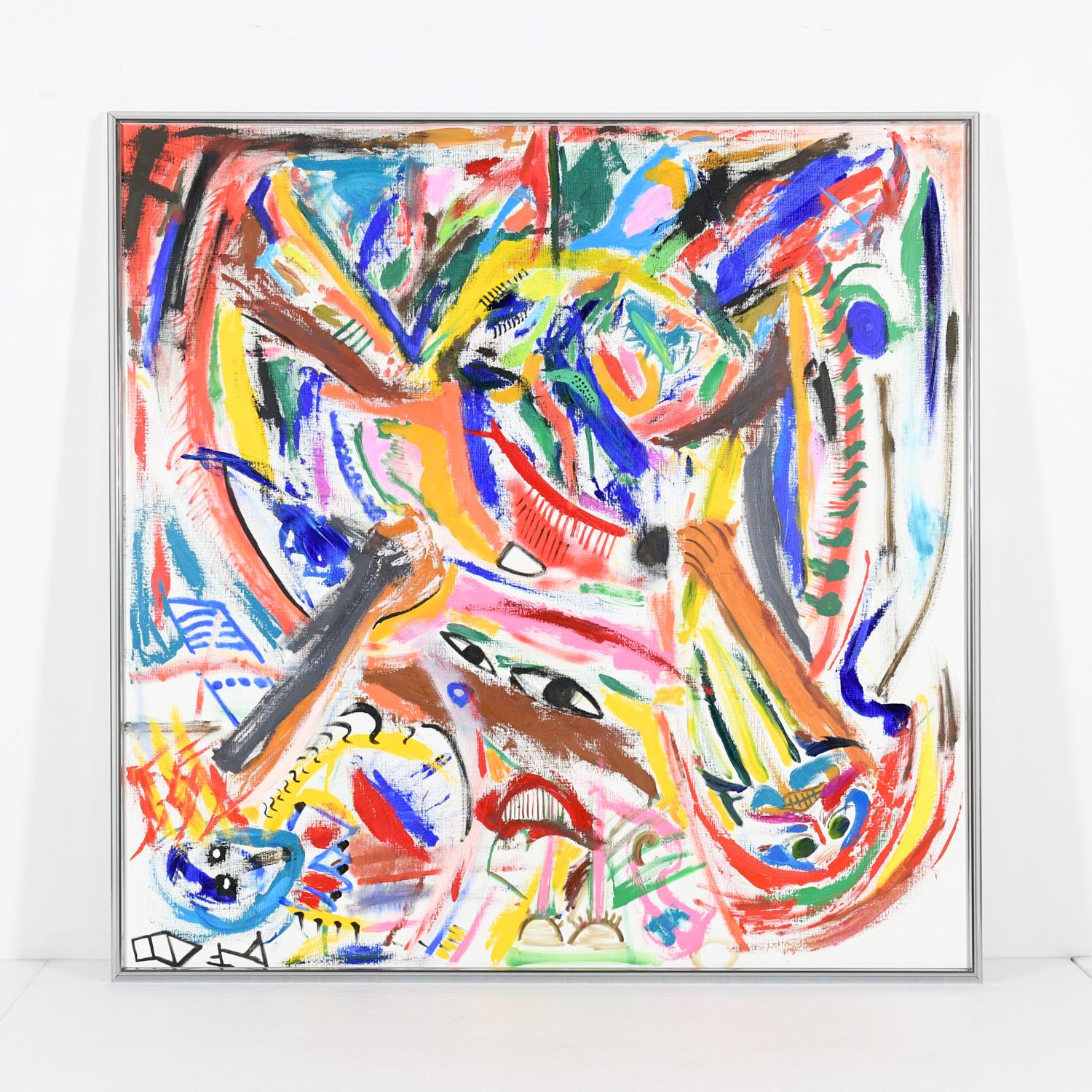
- Year: 2025
- Title: Friendship
- Artist: Kurimoto
- Price: ¥120,000,000
- Size: H:162cm W:162cm D:1.7cm
-
Woman No.2
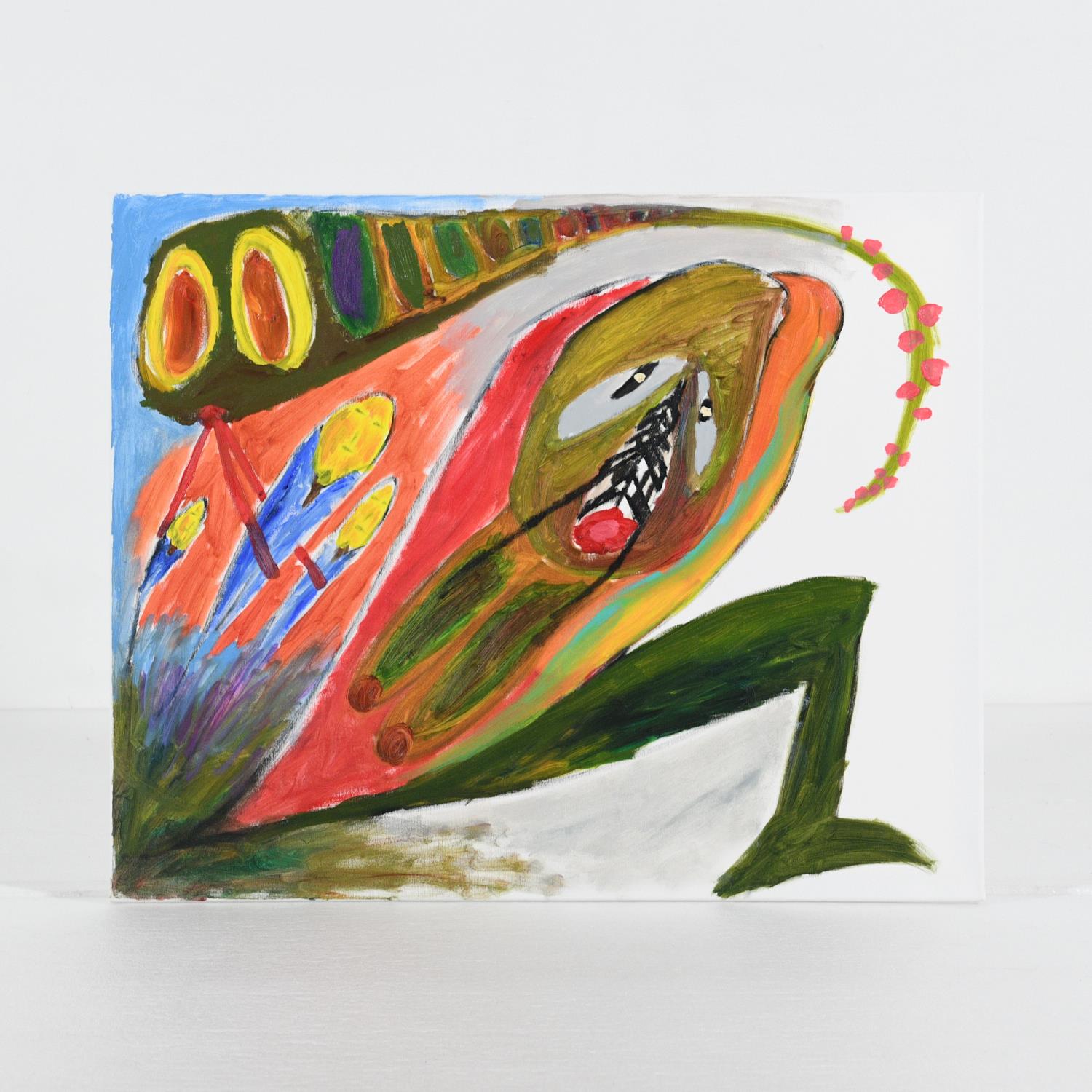
- Year: 2024
- Title: Woman No.2
- Artist: Kurimoto
- Price: ¥2,500,000
- Size: H:65cm W:80cm D:1cm
-
Mentor
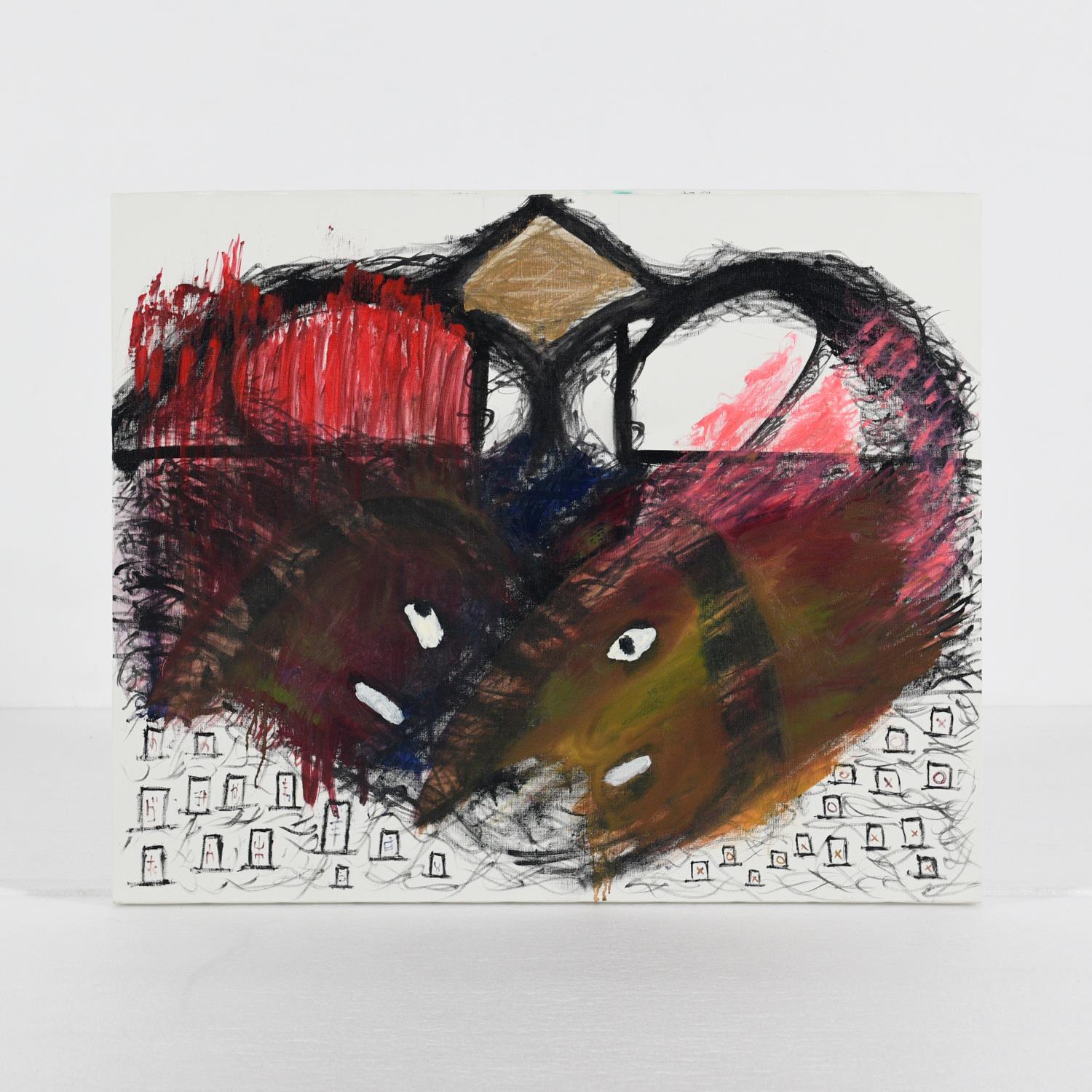
- Year: 2024
- Title: Mentor
- Artist: Kurimoto
- Price: ¥80,000 SOLD
- Size: H:65cm W:80cm D:2.5cm
-
Teachers

- Year: 2024
- Title: Teachers
- Artist: Kurimoto
- Price: ¥30,000
- Size: H:24cm W:33cm D:1.8cm
-
Gears
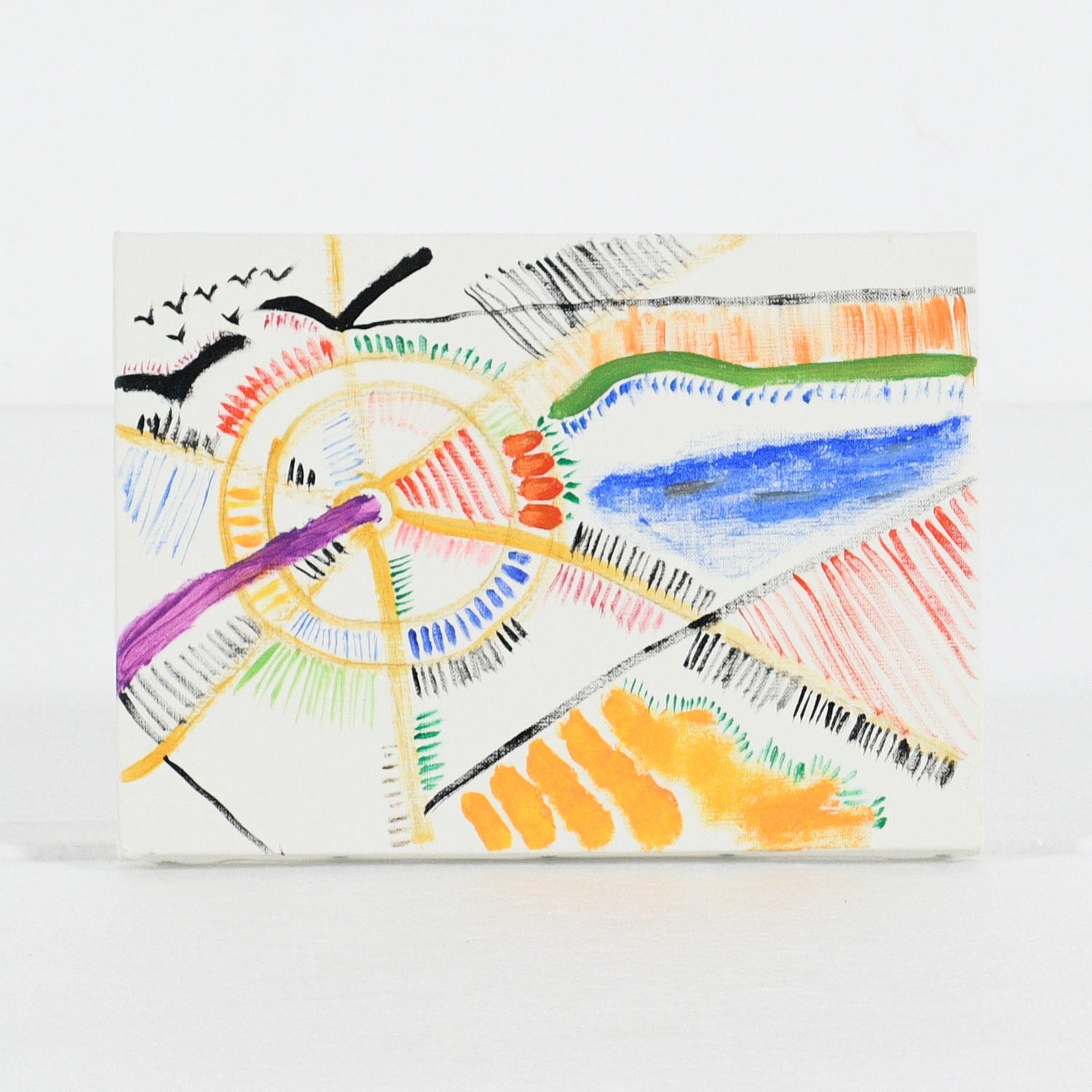
- Year: 2024
- Title: Gears
- Artist: Kurimoto
- Price: ¥40,000
- Size: H:24cm W:33cm D:1.8cm
-
That Guy

- Year: 2024
- Title: That Guy
- Artist: Kurimoto
- Price: ¥30,000
- Size: H:33cm W:24cm D:1.8cm
-
Monster Parent
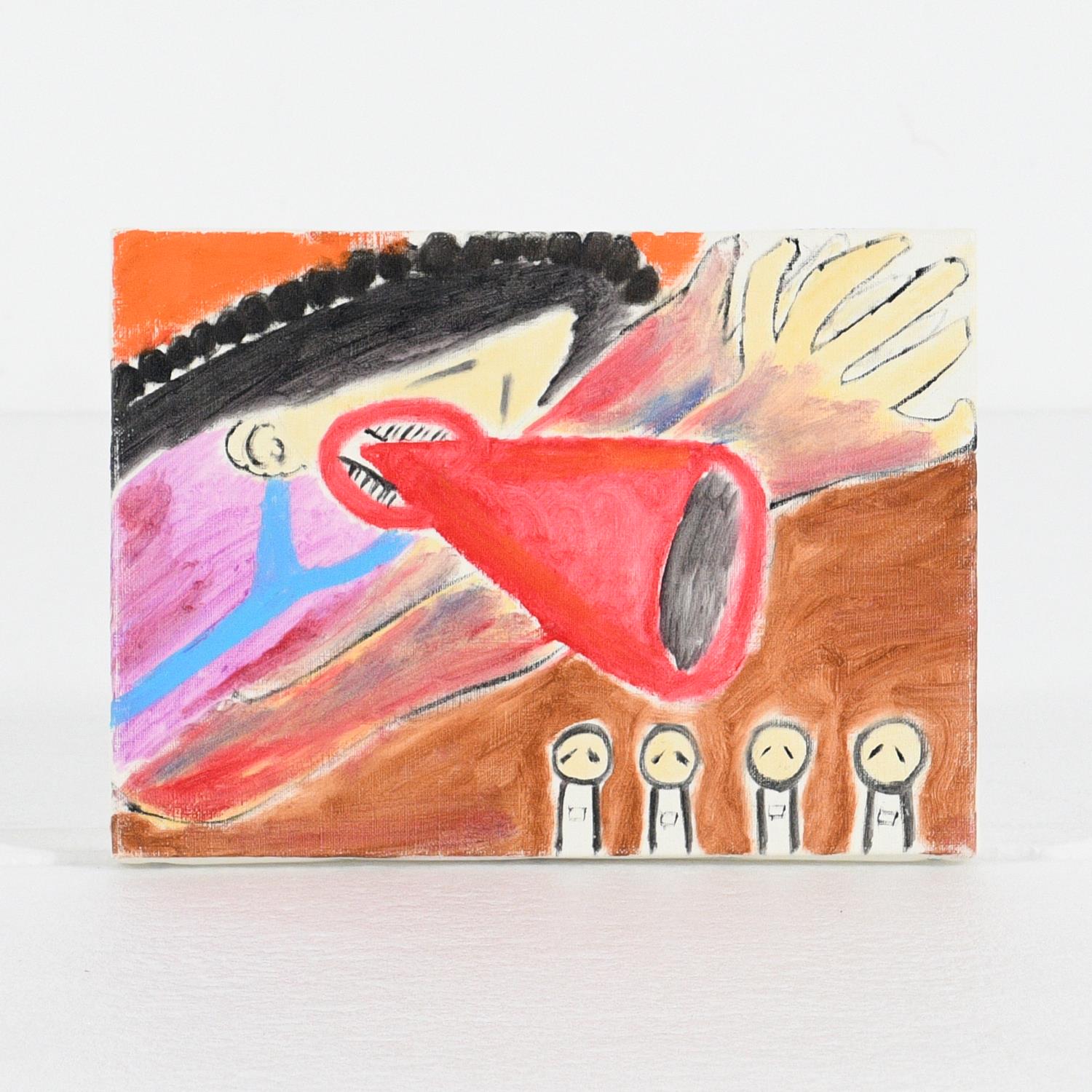
- Year: 2024
- Title: Monster Parent
- Artist: Kurimoto
- Price: ¥10,000 SOLD
- Size: H:24cm W:33cm D:1.8cm
-
Anger
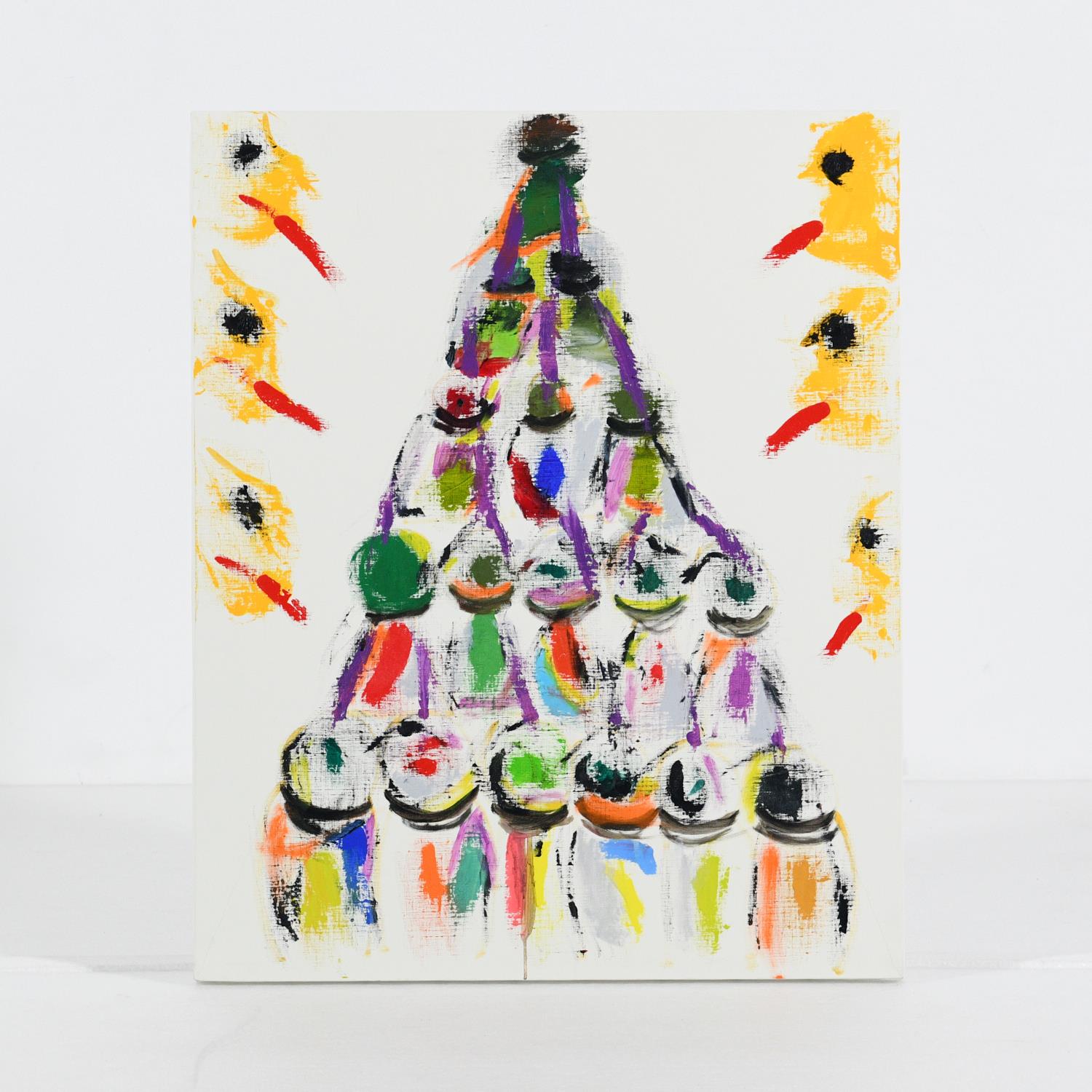
- Year: 2024
- Title: Anger
- Artist: Kurimoto
- Price: ¥40,000
- Size: H:80cm W:65cm D:2.5cm
-
Tired Person
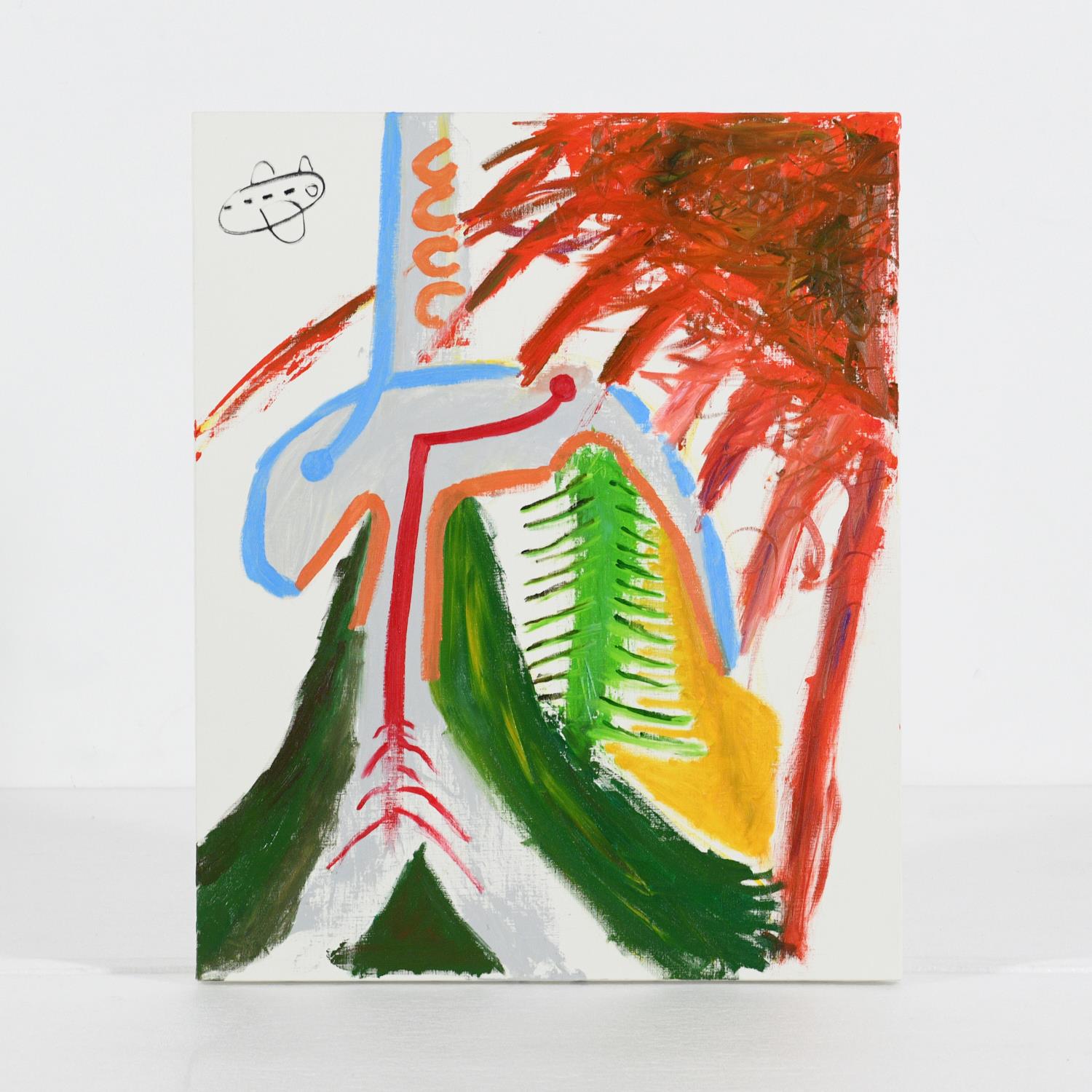
- Year: 2024
- Title: Tired Person
- Artist: Kurimoto
- Price: ¥80,000
- Size: H:80cm W:65cm D:2.5cm
-
Jungle Tomato
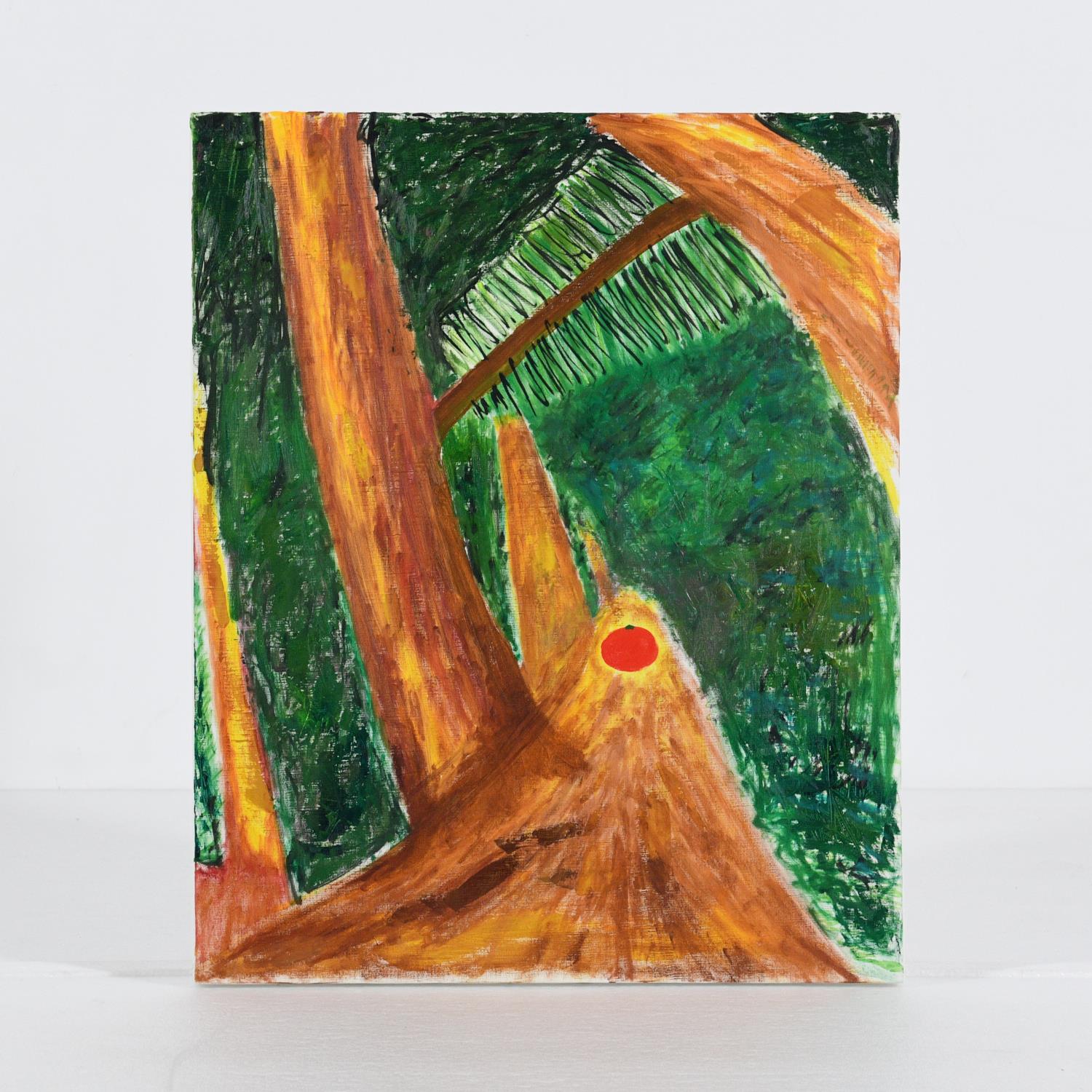
- Year: 2024
- Title: Jungle Tomato
- Artist: Kurimoto
- Price: ¥5,000
- Size: H:80cm W:65cm D:2.5cm
-
Champagne

- Year: 2024
- Title: Champagne
- Artist: Kurimoto
- Price: ¥800,000
- Size: H:65cm W:80cm D:2.5cm
-
Hangover
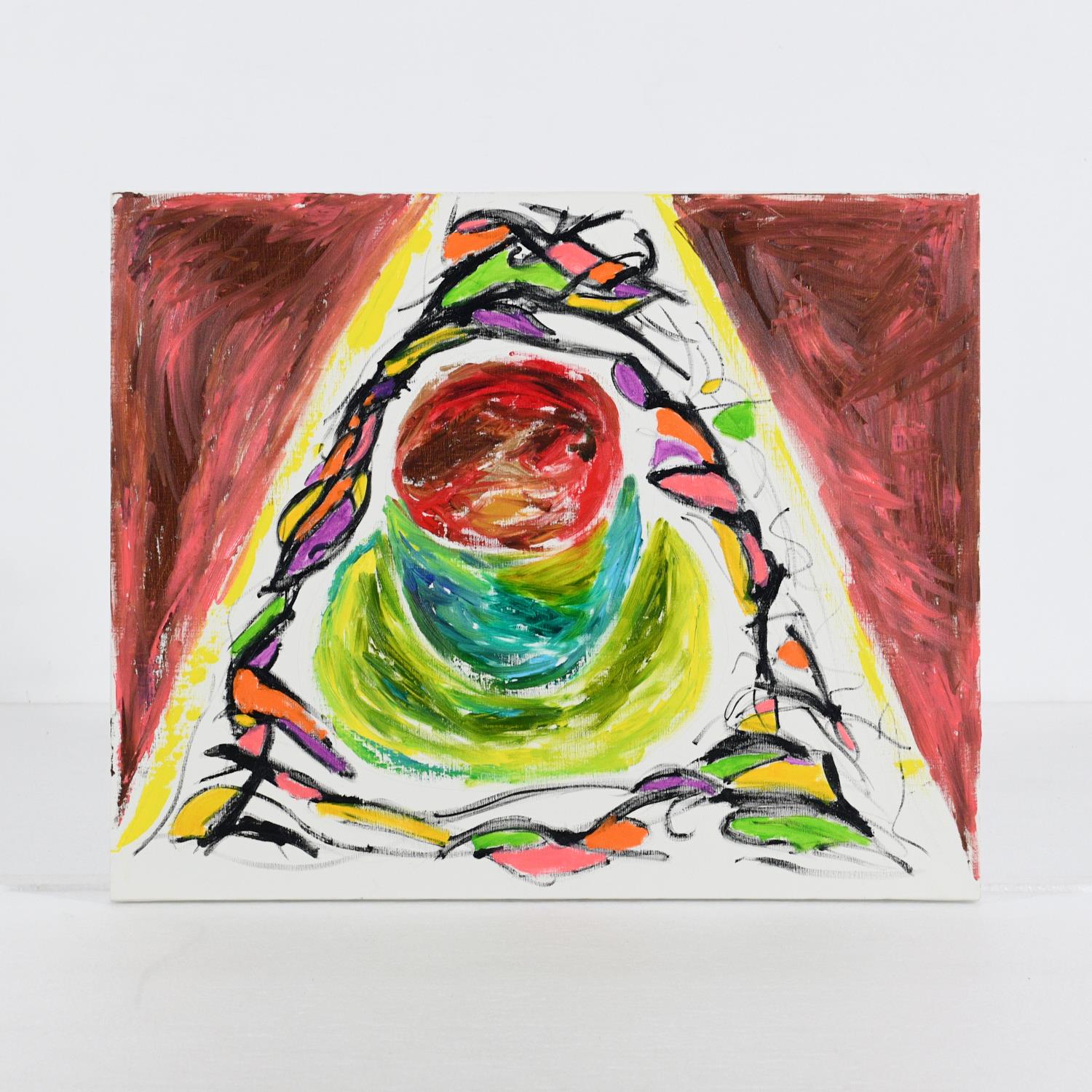
- Year: 2024
- Title: Hangover
- Artist: Kurimoto
- Price: ¥200,000
- Size: H:65cm W:80cm D:2.5cm
-
Sunset
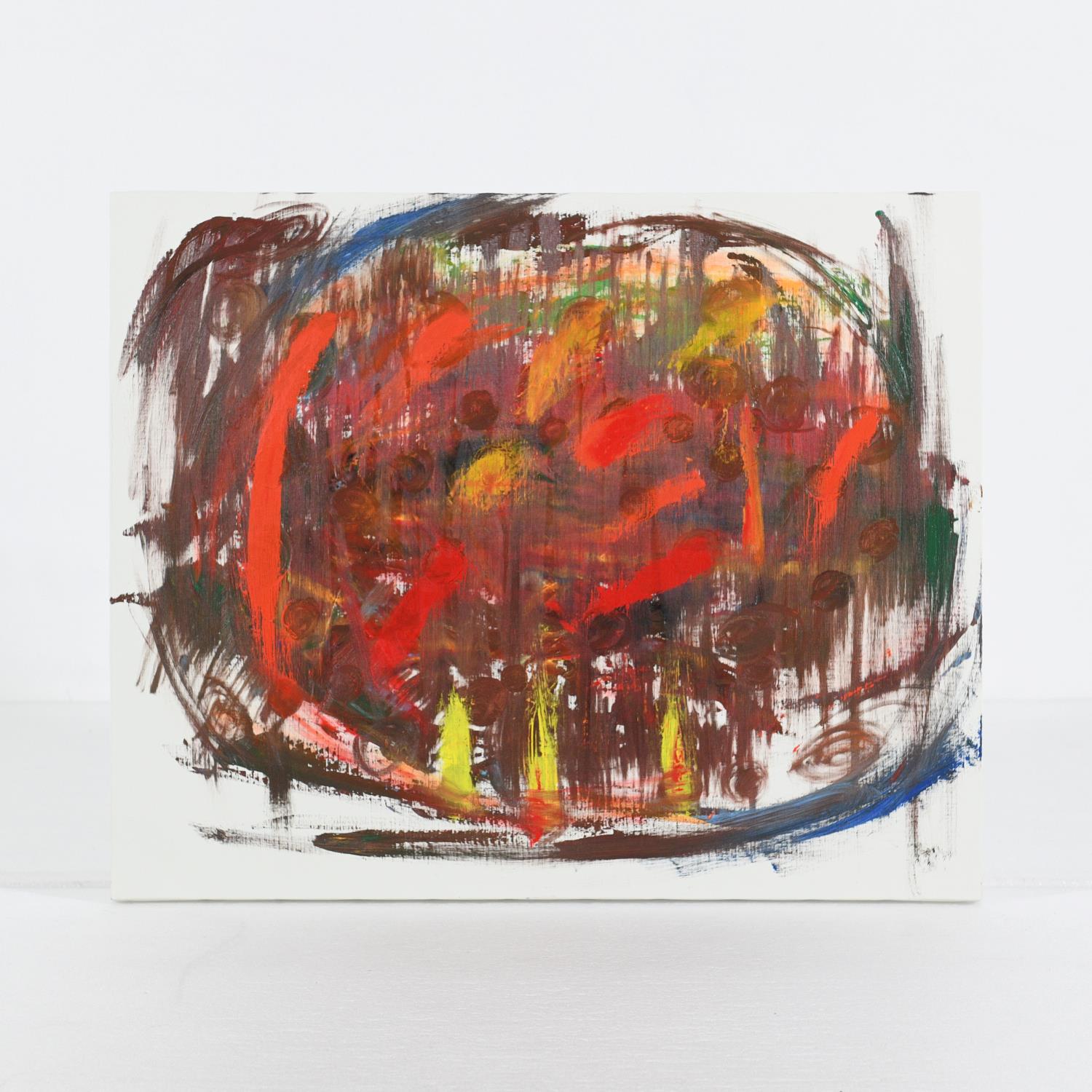
- Year: 2024
- Title: Sunset
- Artist: Kurimoto
- Price: ¥420,000
- Size: H:65cm W:80cm D:2.5cm
-
Woman No.4
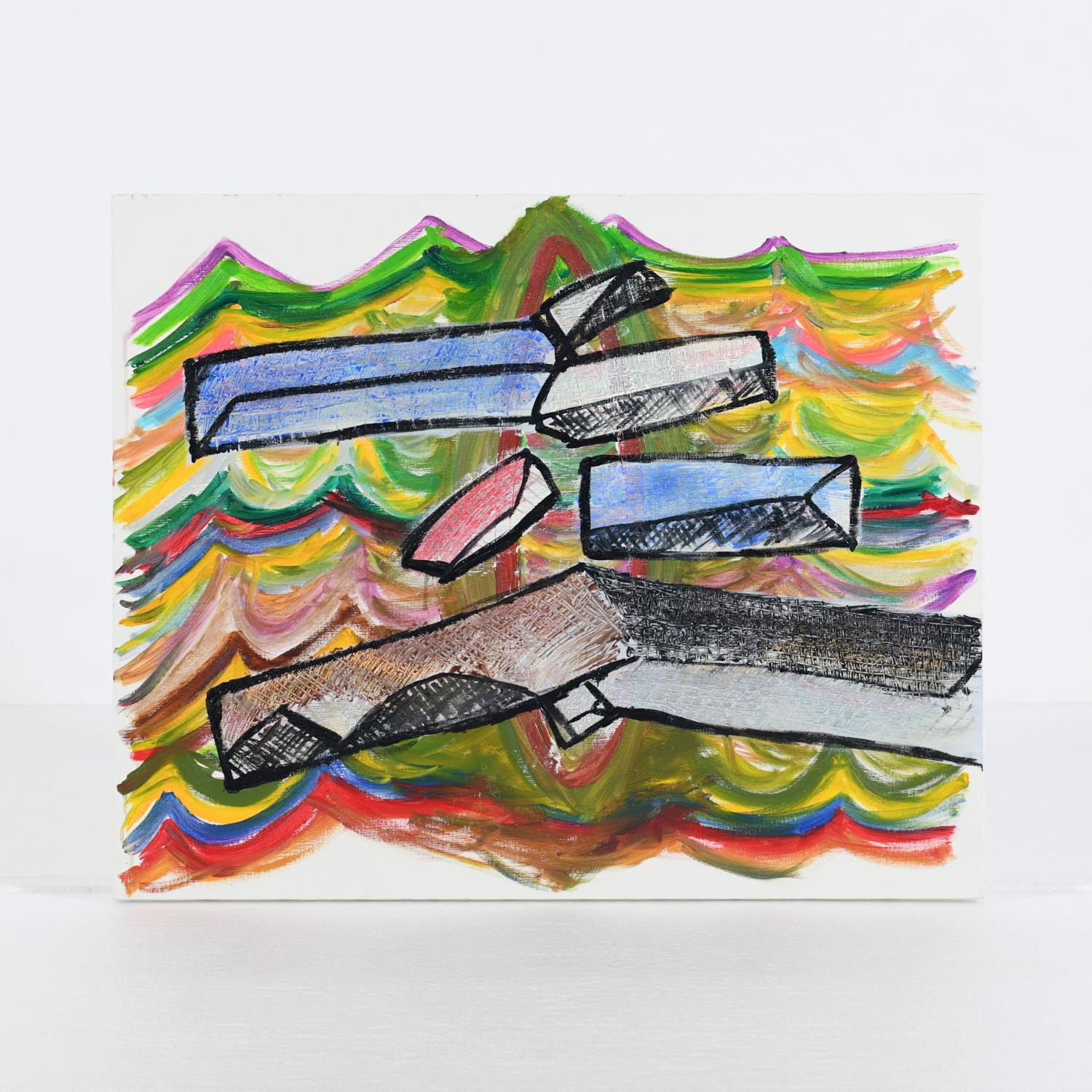
- Year: 2024
- Title: Woman No.4
- Artist: Kurimoto
- Price: ¥300,000
- Size: H:65cm W:80cm D:2.5cm
-
Ennui
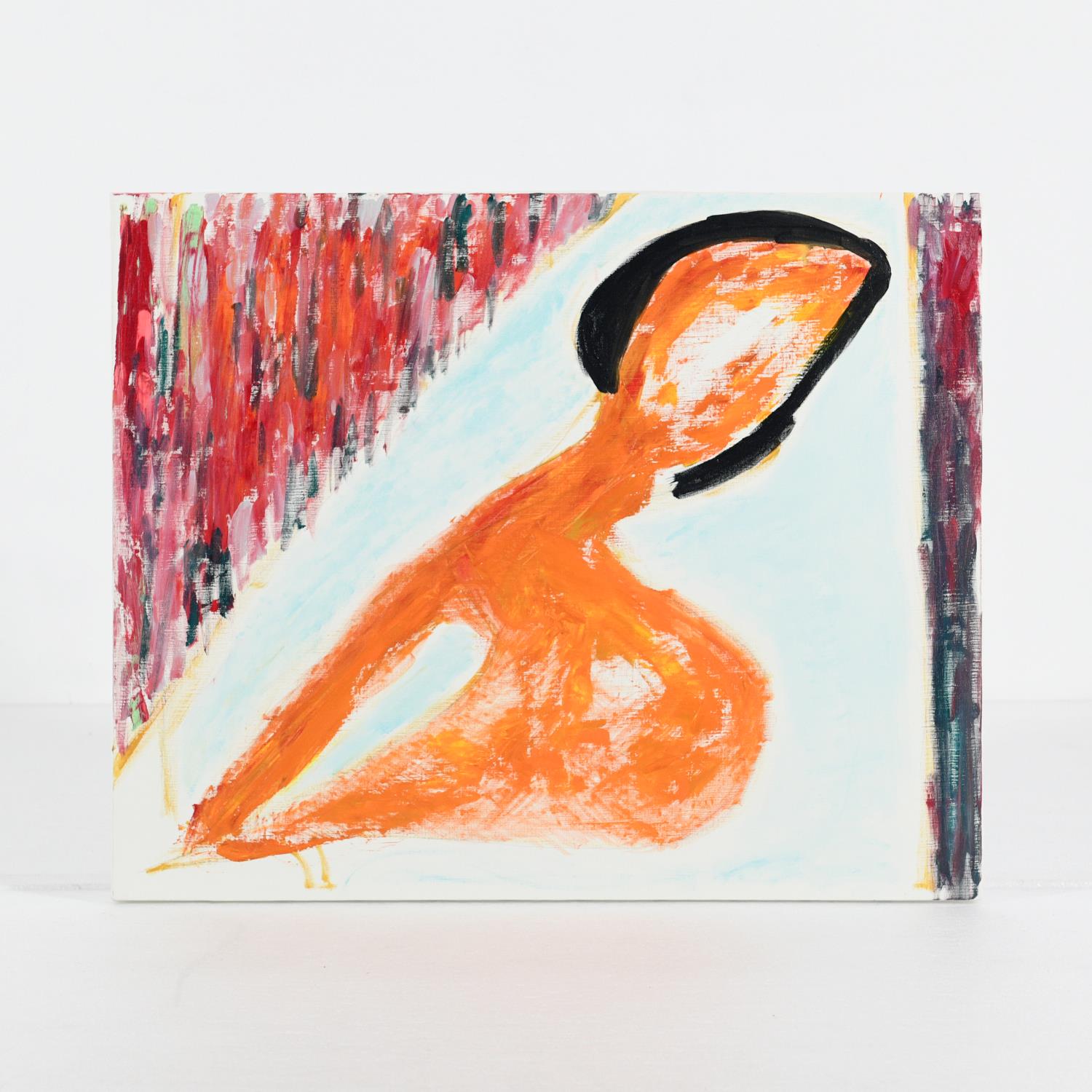
- Year: 2024
- Title: Ennui
- Artist: Kurimoto
- Price: ¥900,000
- Size: H:65cm W:80cm D:2.5cm
-
Pressure
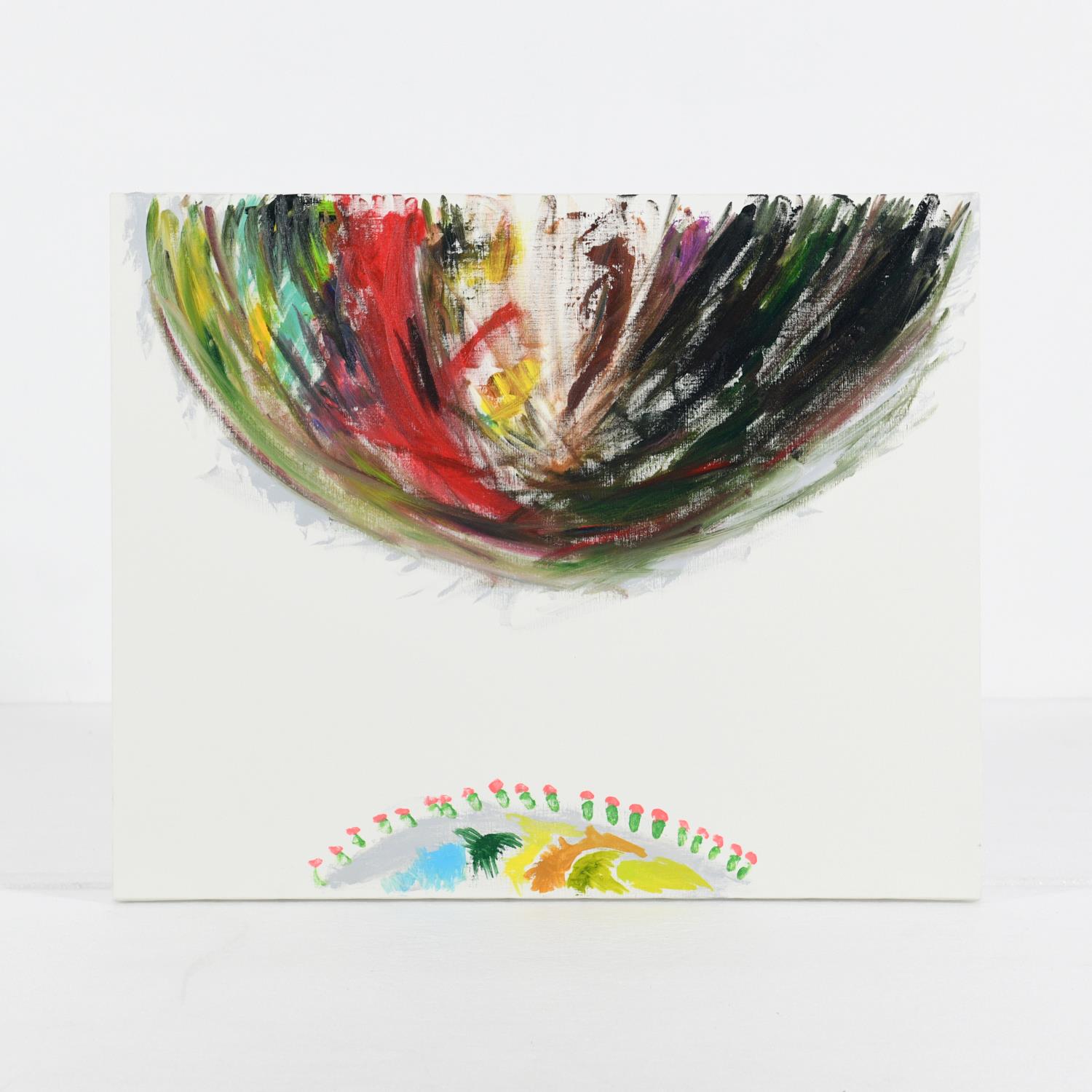
- Year: 2024
- Title: Pressure
- Artist: Kurimoto
- Price: ¥300,000
- Size: H:65cm W:80cm D:2.5cm
-
Rainy Season
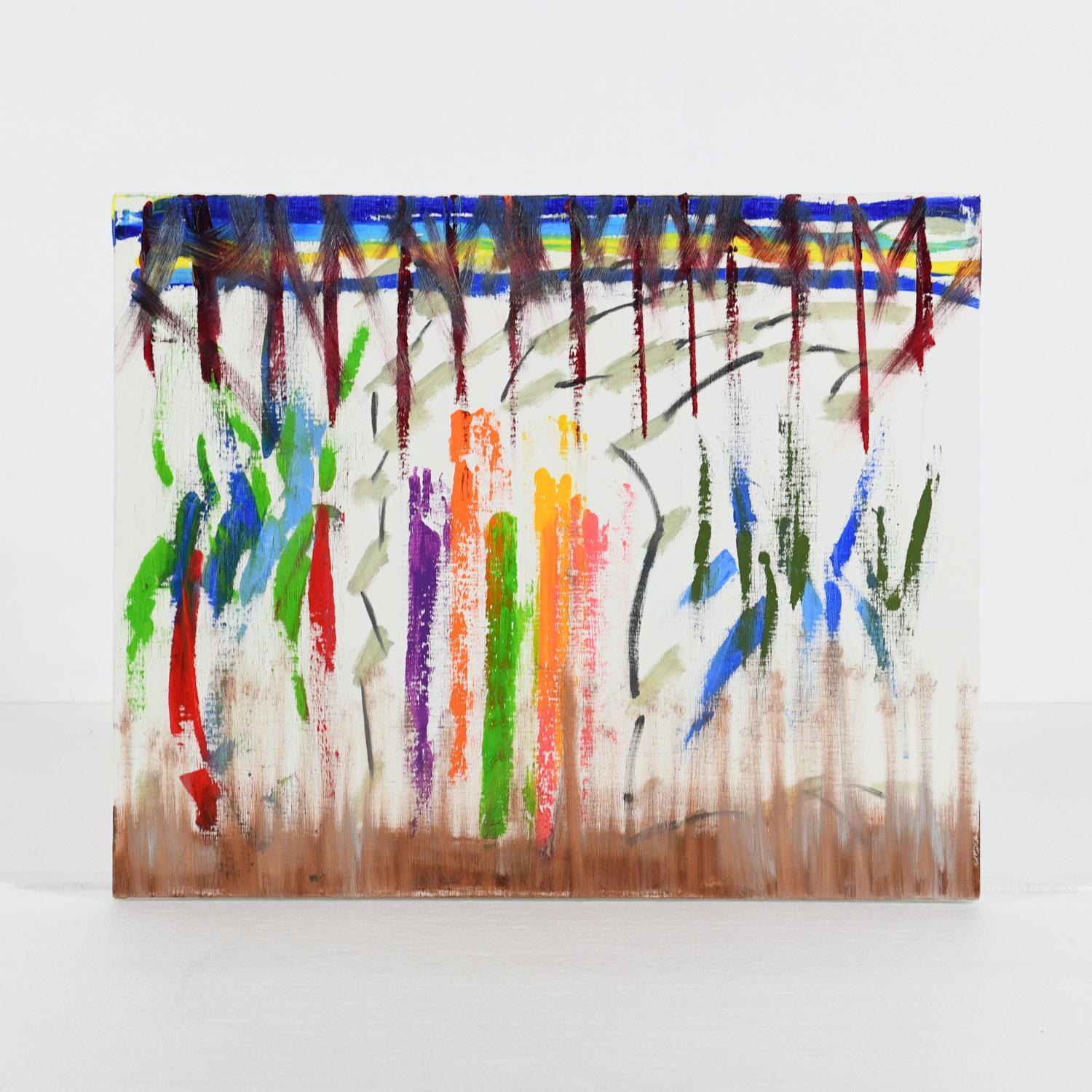
- Year: 2024
- Title: Rainy Season
- Artist: Kurimoto
- Price: ¥300,000
- Size: H:65cm W:80cm D:2.5cm
-
Cherry Blossoms, Farewell, Daughters
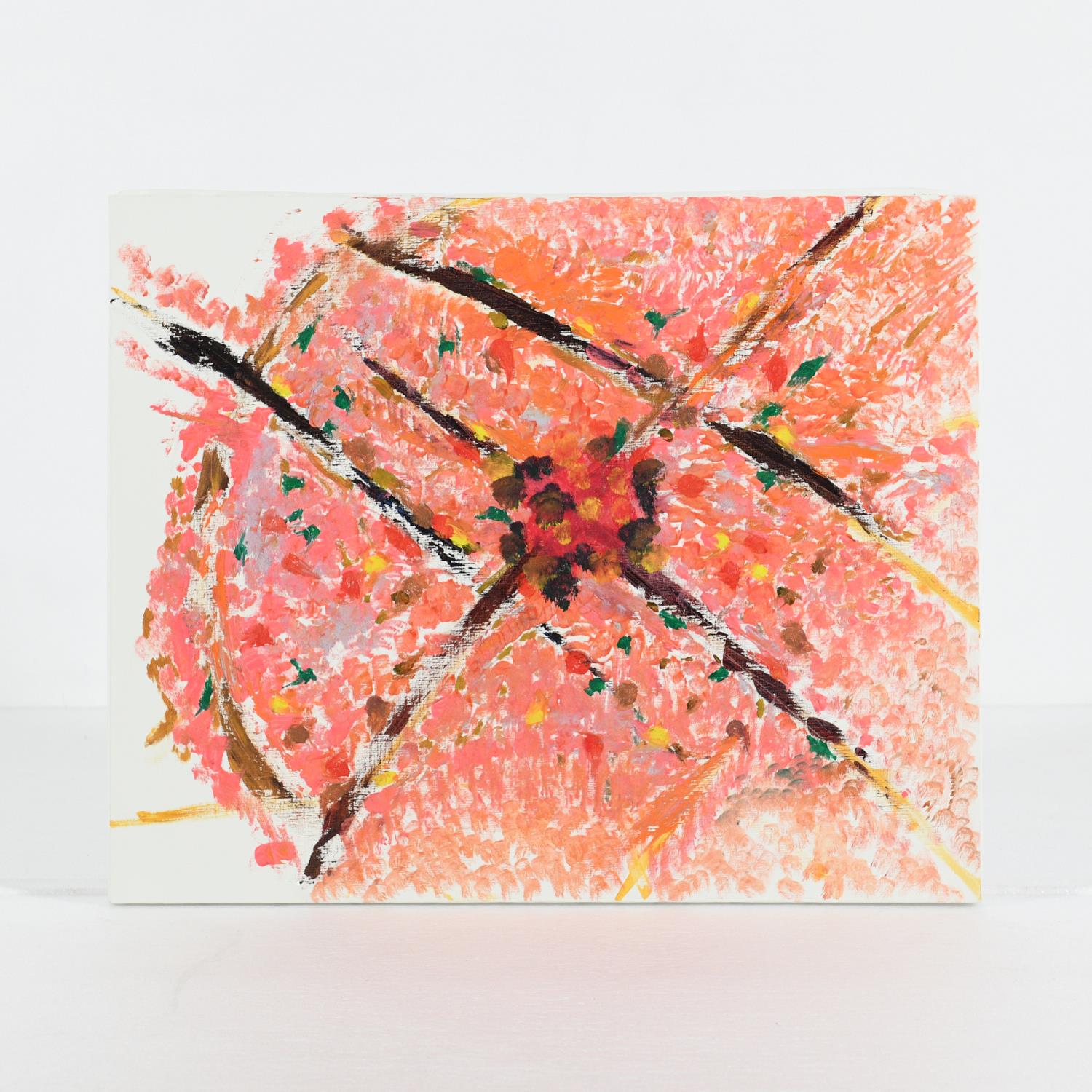
- Year: 2024
- Title: Cherry Blossoms, Farewell, Daughters
- Artist: Kurimoto
- Price: ¥200,000
- Size: H:65cm W:80cm D:2.5cm
The critiques are AI-generated responses to the prompt: "This is a painting titled 'XXX' by an artist named Kurimoto. As an art appraiser familiar with paintings from across the ages and around the world, please give your artistic evaluation of this work."